
Call us now :08045801001
 Send Inquiry
 Send Inquiry
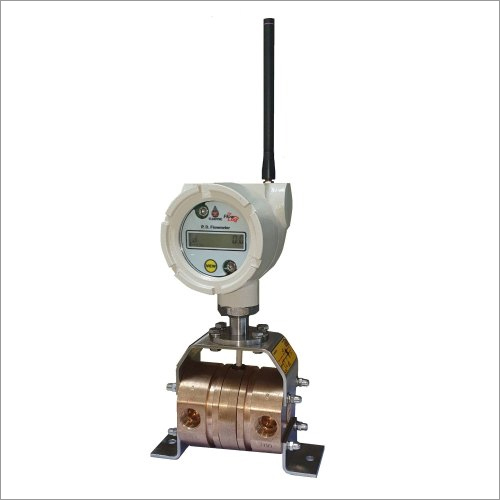
Diesel Receipt Monitoring System
Price 200000.00 INR/ Unit
MOQ : 1 Unit
Diesel Receipt Monitoring System Specification
- Capacity
- 250 LPM (standard), up to 500 LPM optional
- Pressure Range
- Up to 16 bar
- Frequency
- 50 Hz
- Equipment Type
- Diesel Receipt Monitoring System
- Connectivity Type
- RS485/Modbus, Ethernet (optional), USB
- Measurement Range
- 1 - 99999 L
- Sensor Type
- Turbine/Rotary/Vane type flow sensor
- Temperature Range
- -10C ~ +60C
- Diameter
- Customized (commonly 25mm to 100mm)
- Flow Rate
- Up to 250 LPM (higher on request)
- Application Media
- Diesel
- Humidity %
- Up to 95% RH (non-condensing)
- Protection
- IP65 Enclosure
- Resolution
- 0.1 Litre
- Material
- Industrial Grade Stainless Steel / Polycarbonate Housing
- Power Supply
- 230V AC, 50 Hz
- Power Consumption
- < 10 Watts
- Accuracy
- 0.5% of reading
- Display Type
- Digital, LCD backlit
- Range
- 0-99999 litres
- Calibration
- Field Programmable Calibration
- Alarm Indication
- Audio/Visual Alert for Overfill or Tamper
- Reports
- Printable through wired/wireless interface
- Power Backup
- Optional, built-in battery for up to 8 hours
- Mounting Type
- Wall mount / Panel mount / Inline
- Output Options
- 4-20 mA, Relay, Pulse, Modbus
- Data Logging
- Internal memory, up to 10,000 transactions
- User Interface
- Keypad / Touch Control
Diesel Receipt Monitoring System Trade Information
- Minimum Order Quantity
- 1 Unit
- Supply Ability
- 10 Units, , Per Month
- Delivery Time
- 1 Months
About Diesel Receipt Monitoring System
The diesel Receipt Monitoring System offers a comprehensive platform for controlling pump and container levels, monitoring the receipt and distribution of diesel, and communicating with the customer. The clients' greatest degree of precision and dependability is guaranteed by these equipment. This electronic diesel receipt monitoring system has a scratch-finished surface. It guarantees a longer lifespan since it is manufactured by fusing stainless steel, mild steel, and aluminium. Additionally, it is utilized to transport, unload, and distribute diesel.
Product details
| Country of Origin | Made in India |
| Temperature Range | Up to 60 Degree C |
| Surface Finishing | Scratch Finish |
| Power Supply | 415 V AC |
| Phase | 3 Phase |
| Material | SS / MS / Aluminium |
| Filter Element | 149 Micron SS Reusable |
| Data Storage | Local + Wired / Wireless to Data Server |
| Model Name/Number | Series 1000 |
| Brand | Fluidyne |
| Display Type | Local Display + Data output Facility |
| Flow Range | 24000 LPH |
| Usage/Application | Industrial |
| Features | Can Unload Diesel ,Transfer , Dispensing , Utilization Record With Wireless Data Transfer |
Versatile Mounting and Installation
Choose from wall, panel, or inline mounting options to tailor the system to diverse installation environments, ensuring convenience and safety. The robust housing, made from stainless steel or polycarbonate, withstands challenging industrial conditions, offering long-term durability and reliable performance.
Comprehensive Monitoring and Alerts
The system features real-time monitoring with outstanding 0.5% accuracy across flow rates up to 250 LPM, with options up to 500 LPM. Audio and visual overload or tamper alarms guarantee operational integrity, while intuitive keypad or touch interface enables effortless configuration and usage.
Advanced Data Logging & Connectivity
With internal memory for 10,000 transactions, extensive output choices (4-20 mA, relay, pulse, Modbus), and connectivity via RS485/Modbus, Ethernet, or USB, the solution ensures seamless integration and data accessibility. Printable reports via wired or wireless interface streamline compliance and management.
FAQ's of Diesel Receipt Monitoring System:
Q: How does the Diesel Receipt Monitoring System detect and alert for overfill or tampering?
A: The system uses integrated audio and visual alerts to instantly notify operators of diesel overfill or unauthorized tampering, enhancing safety and operational control during refueling or dispensing processes.Q: What mounting options are available for the Diesel Receipt Monitoring System?
A: You can install the device via wall mounting, panel mounting, or inline configuration, making it adaptable to various diesel dispensing environments, whether at fuel stations, industrial sites, or depots.Q: Where can the system's transaction data be accessed and reported?
A: Stored in internal memory (up to 10,000 transactions), all data can be accessed through the user interface and exported or printed via wired or wireless interfaces, enabling efficient reporting and record-keeping.Q: What are the connectivity and output options for integration with other systems?
A: The system supports RS485/Modbus, Ethernet (optional), and USB for connectivity, along with 4-20 mA, relay, pulse, and Modbus outputs to facilitate integration with automation, monitoring, or control platforms.Q: When is calibration required, and how is it performed?
A: Field programmable calibration allows users to adjust settings as needed, ensuring accurate measurements when installing, relocating, or after maintenance, directly via the keypad or touch control interface.Q: What benefits does the optional built-in battery backup provide?
A: The battery backup option delivers up to 8 hours of continuous operation during power interruptions, ensuring consistent monitoring and data logging in critical industrial or remote applications.Q: What are the advantages of the IP65 enclosure and industrial-grade materials?
A: An IP65 enclosure shields internal components from dust and water ingress, while stainless steel or polycarbonate housing offers durability and resistance to harsh environmental conditions, protecting the device in demanding industrial settings.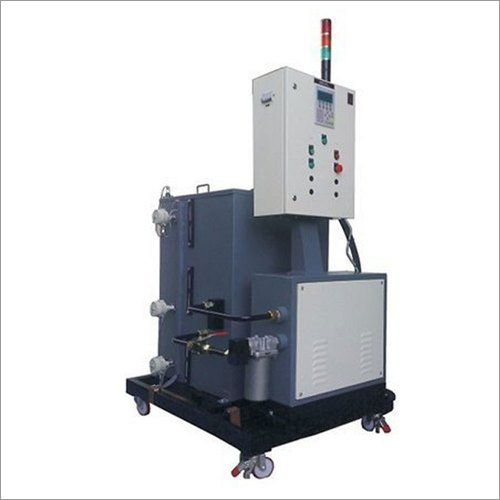
Tell us about your requirement

Price:
Quantity
Select Unit
- 50
- 100
- 200
- 250
- 500
- 1000+
Additional detail
Mobile number
Email

More Products in Fuel Consumption Monitor and Meter Category
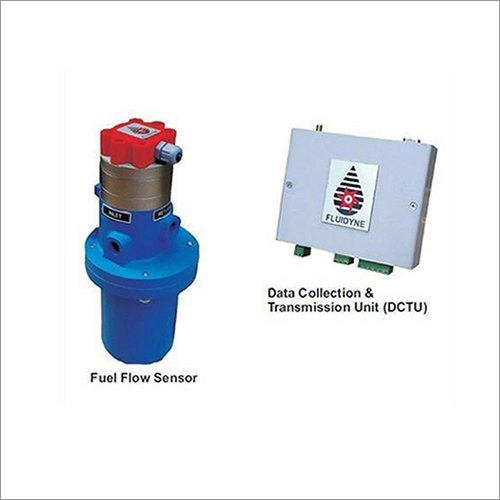
Fuel Monitoring System For Construction & Mining Industry
Price 200000.00 INR / Unit
Minimum Order Quantity : 1 Unit
Resolution : 0.1 Liter
Accuracy : 0.5% FS
Material : Stainless Steel / Aluminium
Sensor Type : Capacitive/Ultrasonic Variant
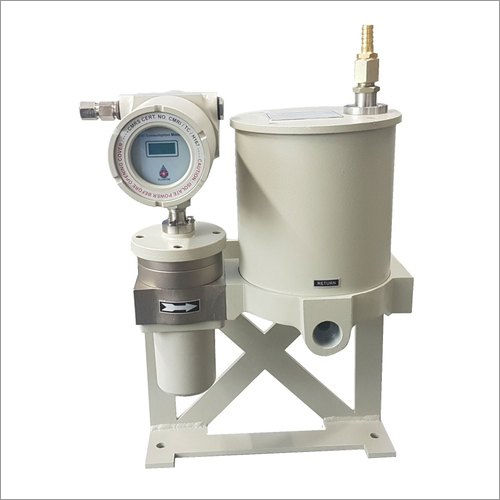
Fuel Consumption Meter
Price 200000.00 INR / Unit
Minimum Order Quantity : 1 Unit
Resolution : 0.01 L
Accuracy : 0.5%
Material : Aluminum / Stainless Steel
Sensor Type : Positive Displacement / Oval Gear with electronic pickup
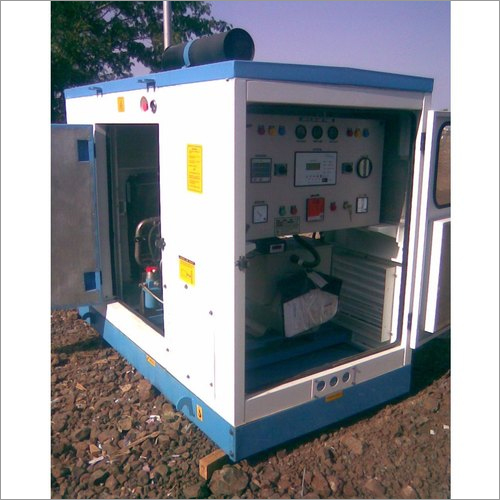
6696 Fuel Monitoring System For Telecom Gensets
Price 200000.00 INR / Unit
Minimum Order Quantity : 1 Unit
Resolution : 0.1 Liter
Accuracy : 1%
Material : Industrial grade ABS/PC
Sensor Type : Capacitive/Ultrasonic
Differential Fuel Monitoring System For Telecom Gensets
Price 200000.00 INR / Unit
Minimum Order Quantity : 1 Unit
Resolution : 0.1 Liter
Accuracy : 1% of Reading
Material : Aluminum Body
Sensor Type : Differential Flow & Level Sensor

 Send Inquiry


Our Products
- Fuel Consumption Monitor
- Liquid Dispensing System
- Flow Meter
- Oil Dispenser System
- Diesel Dispensers
- Fuel Unloading Systems
- Fuel Monitoring System
- Oil Filling Machine
- Wireless Flow Meter
- Fuel Level Transmitter
- Diesel Flowmeter
- Filling Evacuation And Leak Test
- Fuel Consumption Monitor and Meter
- Positive Displacement Flow Meters
- Tanker Unloading System
- Liquid Filling Machines
- Automation Flow Meters
- Industrial Flow Meter
- Solvent Flow Meter
- Flow Transmitter
- Preset Batching System
- Dosing Pump And Dosing System
- Filling Machine For Beverage Industry
- Drum Filling Machine


S.No. 79/2, Plot No. -12, Near Agarwal Godown, Shivane, Pune - 411023, Maharashtra, India

Mr Shivdas Menon
(Director)
Mobile :08045801001
 Send Inquiry
 Send SMS
Developed and Managed by Infocom Network Private Limited.
