
Call us now :08045801001
 Send Inquiry
 Send Inquiry
Fuel And Solvents Unloading Systems
Price 250000.00 INR/ Unit
MOQ : 1 Unit
Fuel And Solvents Unloading Systems Specification
- Resolution
- 0.01 L
- Connectivity Type
- 4-20 mA, RS485 Modbus
- Flow Rate
- 0-10000 LPH
- Sensor Type
- Electromagnetic Flow / Ultrasonic
- Measurement Range
- 0-10000 liters
- Capacity
- Up to 25000 liters / hour
- Application Media
- Fuel and Solvents
- Pressure Range
- 0-16 bar
- Diameter
- DN25 DN100 mm
- Temperature Range
- -10C to +60C
- Equipment Type
- Fuel and Solvents Unloading System
- Frequency
- 50-60 Hz
- Current Range
- 4-20 mA
- Protection
- IP65 Enclosure
- Humidity %
- 0-95% RH, non-condensing
- Material
- SS 304 / SS 316
- Power Supply
- 220-240V AC, 50 Hz
- Power Consumption
- 150-300 W
- Accuracy
- 0.2% FS
- Display Type
- Digital / LED Panel
- Range
- 0-10000 LPH
- Alarm System
- High-Low Level and Leakage Alarm
- Operation Mode
- Automatic / Manual
- Cable Entry
- PG Glands / Flameproof Glands
- Response Time
- <2 seconds
- Weight
- Approx. 70-120 kg
- Control System
- PLC Based with HMI
- Data Logging
- Optional with Memory Card / Remote Monitoring
- Output
- Relay Output for Pump/Valve Control
- Portable
- Optional, Skid Mounted
- Color
- Metallic Silver Grey
- Mounting Type
- Floor / Skid Mounted
- Inlet/Outlet Connection
- Flanged / Threaded
- Valve Type
- Automated Ball / Butterfly Valve
Fuel And Solvents Unloading Systems Trade Information
- Minimum Order Quantity
- 1 Unit
- Supply Ability
- 10 Units, , Per Week
- Delivery Time
- 1 Week
About Fuel And Solvents Unloading Systems
When chemicals and petroleum products are being loaded from tankers into above- and below-ground tanks, our Fuel and Solvents Unloading System provides precise measurements of those chemicals and petroleum products. The only way to verify the accuracy of the dip-rod measurement standard on tankers is by accurate liquid measurement. This Fuel And Solvents Unloading System provides great defence against tampering and shortages that are common in this application. It includes a high-quality display for simple reading.
Product details
| Accuracy | +-0.5% of Reading |
| Barrel Suction Tube | 1" Metal Pipe |
| Display | 5 Digit 1/2" LCD 1999.9 Litre Resettable |
| Flow Capacity | 25 LPM |
| Phase | 3 Phase |
| Pump Type | Gear Pump |
| Brand | Fluidyne |
| Operating Voltage | 440V |
| Control System | Pneumatic |
| Motor Horsepower | 1 HP |
| Power Source | Electric |
Advanced Control and Monitoring
This unloading system utilizes a PLC-based control panel combined with a user-friendly HMI, allowing for real-time monitoring, configuration, and data logging. Automated valves further enhance operational safety and efficiency. Optional remote monitoring and memory card support provide advanced data analysis and traceability.
Superior Safety Features
Equipped with high-low level and leakage alarms, the system offers proactive safety measures during unloading operations. Its IP65-rated enclosure and the inclusion of flameproof cable glands provide high-level protection in hazardous environments, meeting stringent industrial standards.
Flexible Installation & Robust Construction
Offered as floor or skid-mounted units, the system can suit permanent or portable requirements. Its stainless-steel 304/316 construction ensures long-term performance even under aggressive media conditions. Available with various inlet/outlet connections and mounting options, the system adapts easily to existing setups.
FAQ's of Fuel And Solvents Unloading Systems:
Q: How does the Fuel and Solvents Unloading System operate in both automatic and manual modes?
A: This unloading system features a PLC-based control unit that enables seamless switching between automatic and manual operations. In automatic mode, it manages valve actuation, flow measurement, and safety alarms based on pre-programmed logic, while manual mode allows operators to directly control pumps and valves as needed.Q: What types of valves are used in the system and why?
A: The system uses automated ball or butterfly valves, selected for their reliable operation with fuel and solvent media. These valve types facilitate quick response times of under 2 seconds and maintain tight control over flow rates ranging from 0 to 10,000 liters per hour.Q: When should the high-low level and leakage alarm system be used?
A: The high-low level and leakage alarms are crucial throughout the unloading process, providing real-time alerts if fluid levels exceed safe thresholds or if leakage is detected, thereby preventing overflows, spillage, or hazardous incidents.Q: Where can this unloading system be installed and what are its mounting options?
A: Designed for versatile deployment, the system is available in floor-mounted or skid-mounted configurations. This allows for installation at permanent facilities or as a portable unit, with the added benefit of robust, industrial-grade construction to suit both indoor and outdoor environments.Q: What is the process for connecting this system to existing infrastructure?
A: Integration is straightforward, using flanged or threaded inlet/outlet connections and PG or flameproof cable entry glands. This ensures compatibility with standard piping and electrical systems, facilitating quick and secure deployment.Q: How does the system ensure operational accuracy and reliable measurement?
A: It employs electromagnetic or ultrasonic sensors to measure flow within a 0-10,000 LPH range and achieves high accuracy at 0.2% FS. The results are displayed on a digital/LED panel and can be logged on a memory card or accessed remotely via RS485 Modbus or 4-20 mA connectivity.Q: What are the main benefits of using this system for fuel and solvents unloading?
A: Key benefits include enhanced safety through alarm systems, reliable performance in harsh environments, efficient automated or manual control, high measurement accuracy, flexible installation options, and comprehensive data logging with advanced monitoring capabilities.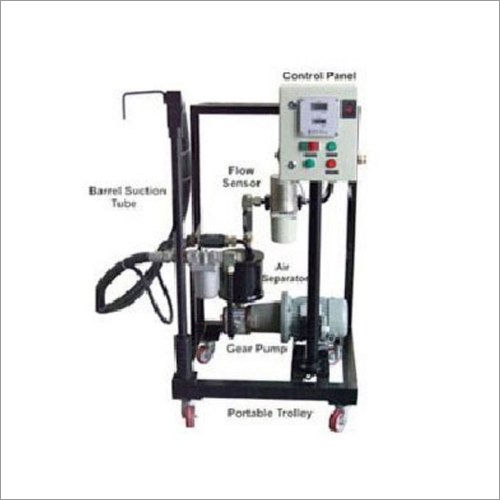
Tell us about your requirement

Price:
Quantity
Select Unit
- 50
- 100
- 200
- 250
- 500
- 1000+
Additional detail
Mobile number
Email

More Products in Tanker Unloading System Category
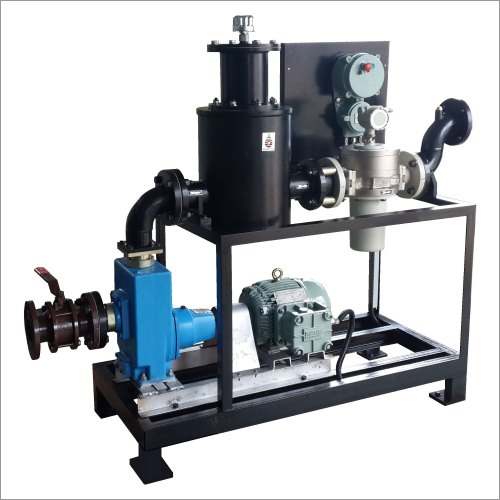
Petrol And Diesel Tanker Unloading System
Price 215000.00 INR / Unit
Minimum Order Quantity : 1 Piece
Application Media : Petrol and Diesel
Pressure Range : 0 to 6 bar
Diameter : 50mm to 150mm
Accuracy : 0.5% of full scale

 Send Inquiry


Our Products
- Fuel Consumption Monitor
- Liquid Dispensing System
- Flow Meter
- Oil Dispenser System
- Diesel Dispensers
- Fuel Unloading Systems
- Fuel Monitoring System
- Oil Filling Machine
- Wireless Flow Meter
- Fuel Level Transmitter
- Diesel Flowmeter
- Filling Evacuation And Leak Test
- Fuel Consumption Monitor and Meter
- Positive Displacement Flow Meters
- Tanker Unloading System
- Liquid Filling Machines
- Automation Flow Meters
- Industrial Flow Meter
- Solvent Flow Meter
- Flow Transmitter
- Preset Batching System
- Dosing Pump And Dosing System
- Filling Machine For Beverage Industry
- Drum Filling Machine


S.No. 79/2, Plot No. -12, Near Agarwal Godown, Shivane, Pune - 411023, Maharashtra, India

Mr Shivdas Menon
(Director)
Mobile :08045801001
 Send Inquiry
 Send SMS
 Call Me Free
Developed and Managed by Infocom Network Private Limited.
