
Call us now :08045801001
 Send Inquiry
 Send Inquiry
Petrol And Diesel Tanker Unloading System
Price 215000.00 INR/ Unit
MOQ : 1 Piece
Petrol And Diesel Tanker Unloading System Specification
- Resolution
- 0.1 Liter
- Humidity %
- Up to 95% RH
- Capacity
- Customizable as per tanker size
- Frequency
- 50Hz
- Current Range
- 4-20mA
- Pressure Range
- 0 to 6 bar
- Sensor Type
- Electromagnetic or Mass Flow sensor
- Flow Rate
- Up to 25000 LPH
- Protection
- IP65 weatherproof enclosure
- Connectivity Type
- RS485 Modbus, Analog 4-20mA
- Diameter
- 50mm to 150mm
- Application Media
- Petrol and Diesel
- Temperature Range
- -10C to 60C
- Measurement Range
- 0 to 60,000 Liters
- Material
- Stainless Steel, Mild Steel, PVC (for piping)
- Power Supply
- 230V AC, 50Hz
- Power Consumption
- Less than 15W
- Accuracy
- 0.5% of full scale
- Display Type
- Digital LCD with backlight
- Range
- Up to 60,000 Liters
- Ingress Protection
- IP65
- Display Panel
- Industrial Grade Panel
- Usage
- For safe and accurate unloading of Petrol and Diesel Tankers
- Operating Pressure
- Up to 6 bar
- Cable Entry
- PG Cable Glands
- Alarm
- High/Low Level and Leakage Alarm
- Data Logging
- USB and Cloud Support
- Mounting Type
- Floor/Wall Mounted Skid
- Response Time
- Less than 2 seconds
- Equipment Type
- Petrol and Diesel Tanker Unloading System
- Valve Type
- Automated Motorized Ball Valves
- Installation Location
- Tanker Bay or Decanting Station
- Control System
- PLC Based with HMI
- Pipe Material
- SS316 (for hazardous area compliance)
Petrol And Diesel Tanker Unloading System Trade Information
- Minimum Order Quantity
- 1 Piece
- Supply Ability
- 10 Pieces, , Per Week
- Delivery Time
- 1 Week
About Petrol And Diesel Tanker Unloading System
Product details
| Accuracy | Better Than 0.5% of Reading |
| Air Separator | Float Actuated Mechanism 1/2" Air Release Port. |
| Control Valve | Diaphragm Operated Electrically Actuated |
| Display | 8 x 2 LCD dot matrix display |
| Flow Meter Type | Positive Displacement Rotary Piston |
| Frequency | 50 Hz |
| Brand | Fluidyne |
| Operating Voltage | AC 230 V |
| Control System | Pneumatic |
| Type Of Fuel | Petrol And Diesel |
| Volume Capacity | 24000 LPH Max |
Comprehensive Safety and Automation
Our system integrates high/low and leakage level alarms, automated motorized ball valves, and a PLC-based HMI interface. This combination ensures secure, unattended operation during the unloading process and provides instant alerts to avoid hazardous incidents and fuel loss.
Rugged Industrial Design
The system features an IP65 weatherproof enclosure, suitable for harsh outdoor and industrial environments. Piping is manufactured from SS316 for hazardous area compliance, with floor or wall-mount skid options to fit various installation needs in tanker bays or decanting stations.
Efficient Data Management and Connectivity
Unloading data can be logged to USB or seamlessly uploaded to the cloud. The inclusion of RS485 Modbus and analog 4-20mA outputs allows integration with plant SCADA or DCS systems, ensuring real-time process monitoring and seamless reporting flexibility.
FAQ's of Petrol And Diesel Tanker Unloading System:
Q: How does the automated tanker unloading system ensure safe fuel transfer?
A: The system employs automated motorized ball valves and a PLC-based control with HMI to manage flow and shut-off functions. High/low level and leakage alarms immediately alert operators to abnormal conditions, while IP65 protection and SS316 piping enhance operational safety in hazardous environments.Q: What makes this system suitable for hazardous or industrial locations?
A: Designed with SS316 piping and an IP65 weatherproof enclosure, the system withstands harsh and potentially hazardous environments. Its industrial-grade panel, secure cable entry, and robust construction ensure compliance with safety standards required for petrol and diesel handling.Q: When should this unloading system be installed in a fuel management setup?
A: It is ideal for installation in tanker bays or decanting stations where safe and controlled unloading of petrol and diesel from road tankers is essential. It can be implemented during facility upgrades, new facility setups, or as a replacement for manual unloading operations.Q: Where can the unloading system be mounted and operated?
A: The skid can be floor- or wall-mounted, offering flexibility to suit the layout of rolling stock bays, decanting stations, or terminal facilities. Its protected design enables both outdoor and indoor installations.Q: What is the process for monitoring and controlling the unloading operation?
A: Operators use the industrial digital LCD panel to view real-time tanker levels and process parameters. The PLC-based system allows manual or automated valve control, with alarms and fast response times facilitating immediate action when required. Data is logged locally via USB or transmitted to the cloud for record-keeping.Q: How does this system benefit operations compared to manual tanker unloading?
A: Automation leads to reduced human error, increased speed, and far better safety during unloading. Precise control, fast response time, instant alarms, and comprehensive data logging boost operational efficiency and regulatory compliance.Q: What are the usage limits and measurement capabilities of the system?
A: It measures up to 60,000 liters per batch with a resolution of 0.1 liter and an accuracy of 0.5% of full scale, handling flow rates up to 25,000 LPH. It accommodates various pipe diameters (50mm-150mm), operating pressures up to 6 bar, and supports measurements of both petrol and diesel.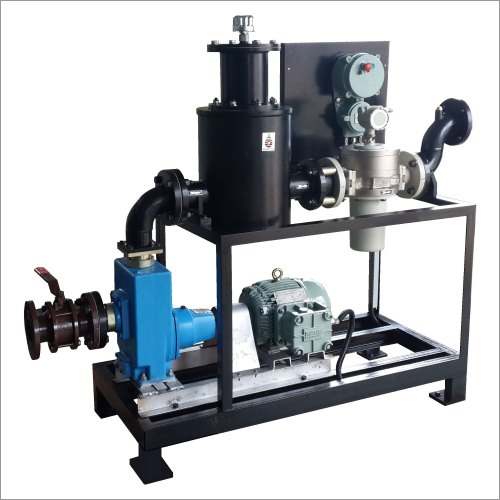
Tell us about your requirement

Price:
Quantity
Select Unit
- 50
- 100
- 200
- 250
- 500
- 1000+
Additional detail
Mobile number
Email

More Products in Tanker Unloading System Category
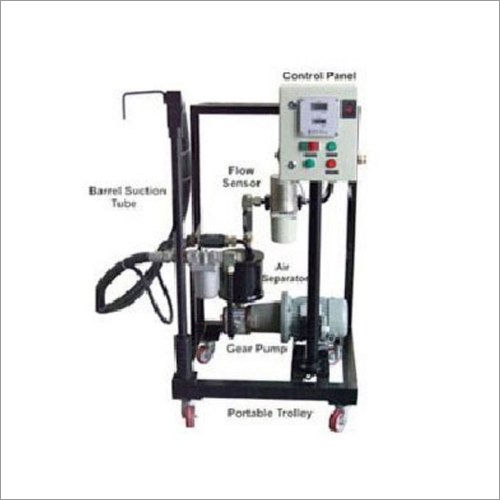
Fuel And Solvents Unloading Systems
Price 250000.00 INR / Unit
Minimum Order Quantity : 1 Unit
Pressure Range : 016 bar
Sensor Type : Electromagnetic Flow / Ultrasonic
Humidity % : 095% RH, noncondensing
Equipment Type : Fuel and Solvents Unloading System

 Send Inquiry


Our Products
- Fuel Consumption Monitor
- Liquid Dispensing System
- Flow Meter
- Oil Dispenser System
- Diesel Dispensers
- Fuel Unloading Systems
- Fuel Monitoring System
- Oil Filling Machine
- Wireless Flow Meter
- Fuel Level Transmitter
- Diesel Flowmeter
- Filling Evacuation And Leak Test
- Fuel Consumption Monitor and Meter
- Positive Displacement Flow Meters
- Tanker Unloading System
- Liquid Filling Machines
- Automation Flow Meters
- Industrial Flow Meter
- Solvent Flow Meter
- Flow Transmitter
- Preset Batching System
- Dosing Pump And Dosing System
- Filling Machine For Beverage Industry
- Drum Filling Machine


S.No. 79/2, Plot No. -12, Near Agarwal Godown, Shivane, Pune - 411023, Maharashtra, India

Mr Shivdas Menon
(Director)
Mobile :08045801001
 Send Inquiry
 Send SMS
 Call Me Free
Developed and Managed by Infocom Network Private Limited.
